
7 Credit Card Mistakes That Quietly Drain Your Money. Here are some lesser-known credit card mistakes that could cost you money
High-Cost Repayment Habits
How you pay your monthly bill directly impacts how much interest and extra fees you accumulate over time:
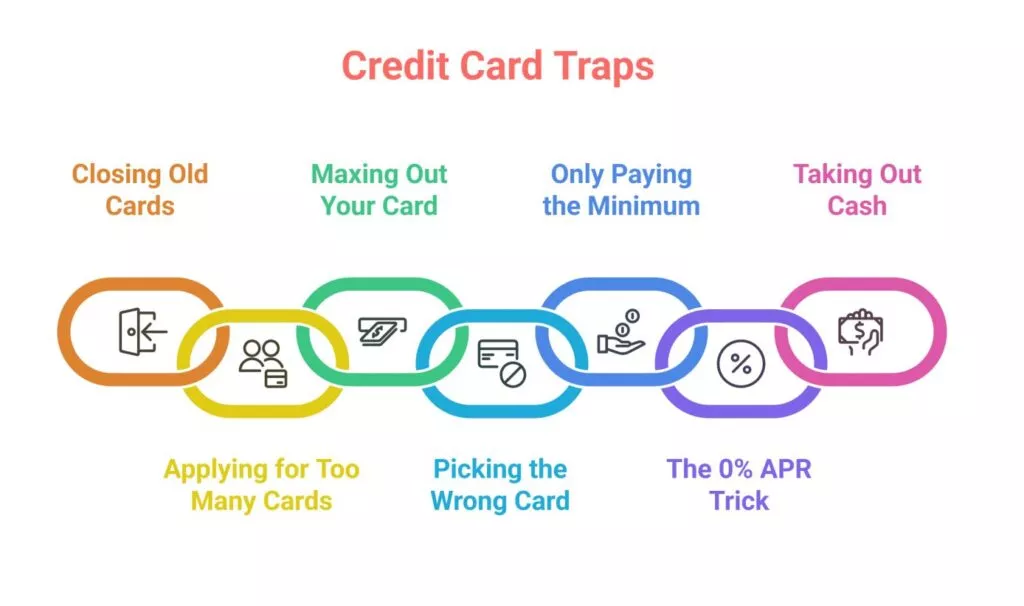
- 1. Paying Only the Minimum Balance: Making minimum payments causes compound interest to accumulate rapidly, extending repayment timelines and turning modest purchases into long-term, high-interest debt.
- 2. Missing Payment Due Dates: Late payments trigger immediate late fees, lower your credit score, and can activate penalty APRs that push interest rates above 29%.
- 3. Carrying a Balance to "Build Credit": Holding an ongoing balance does not improve credit scores—it is an expensive myth. Paying off your statement balance in full builds credit without accruing interest charges.
High-Fee Utilization and Cash Traps
Certain transaction types and habits generate immediate, unnecessary out-of-pocket expenses:
- 4. Requesting Credit Card Cash Advances: Cash advances incur upfront transaction fees (typically 3% to 5%) and start accruing interest immediately without a grace period, often at elevated APRs.
- 5. Overlooking Foreign Transaction and Annual Fees: Using cards with foreign transaction surcharges (usually 3%) while traveling or keeping high-annual-fee cards without utilizing their benefits creates recurring financial losses.
Credit Score and Account Management Pitfalls
Mismanaging credit limits and account histories can harm your overall financial standing:
- 6. Maxing Out Available Credit Limits: Using more than 30% of your total credit limit spikes your credit utilization ratio, which lowers your credit score and signals higher risk to lenders.
- 7. Closing Old Credit Card Accounts: Closing your oldest credit card shortens your average credit history and reduces total available credit, negatively affecting your overall score.
Credit Card Mistake Impact Matrix
| Mistake Category | Immediate Financial Cost | Long-Term Credit & Account Impact |
| Minimum Payments Only | High monthly interest charges | Extended debt payoff timelines |
| Late Due Dates | Instant late fees & penalty APR rates | Negative marks on credit history |
| Cash Advances | Upfront 3%–5% fee + instant interest | Elevated short-term debt burden |
| High Utilization (>30%) | Increased risk of over-limit fees | Lowered credit score rating |
Credit Insight: Paying your statement balance in full every month eliminates interest charges completely, allowing you to build credit at zero interest cost.
Common FAQs
1. Does carrying a monthly credit card balance help build credit?
No. Carrying a balance does not increase your credit score and results in interest charges. Paying off your balance in full each month builds positive credit history without interest.
2. How does a credit card cash advance differ from a regular purchase?
Cash advances lack a interest-free grace period, meaning interest begins accumulating immediately upon withdrawal alongside an upfront processing fee (usually 3% to 5%).
3. What is the recommended credit utilization ratio to protect your score?
It is best to keep total credit utilization below 30% across all credit cards—and ideally under 10%—to maintain strong credit scores and avoid risk flags.
Key Takeaways
- Pay Balances in Full: Settle your statement balance each month to avoid interest charges entirely.
- Avoid Fee Traps: Skip cash advances and check for foreign transaction fees before traveling abroad.
- Maintain Low Utilization: Keep credit usage under 30% of your total limit to preserve strong credit scores.
- Keep Old Accounts Open: Leave older, no-fee credit cards active to protect the length of your credit history.